The Role of Hydration in Physiology
Exploring water's critical functions in nutrient transport, temperature regulation, and metabolic processes essential for optimal physiological performance.
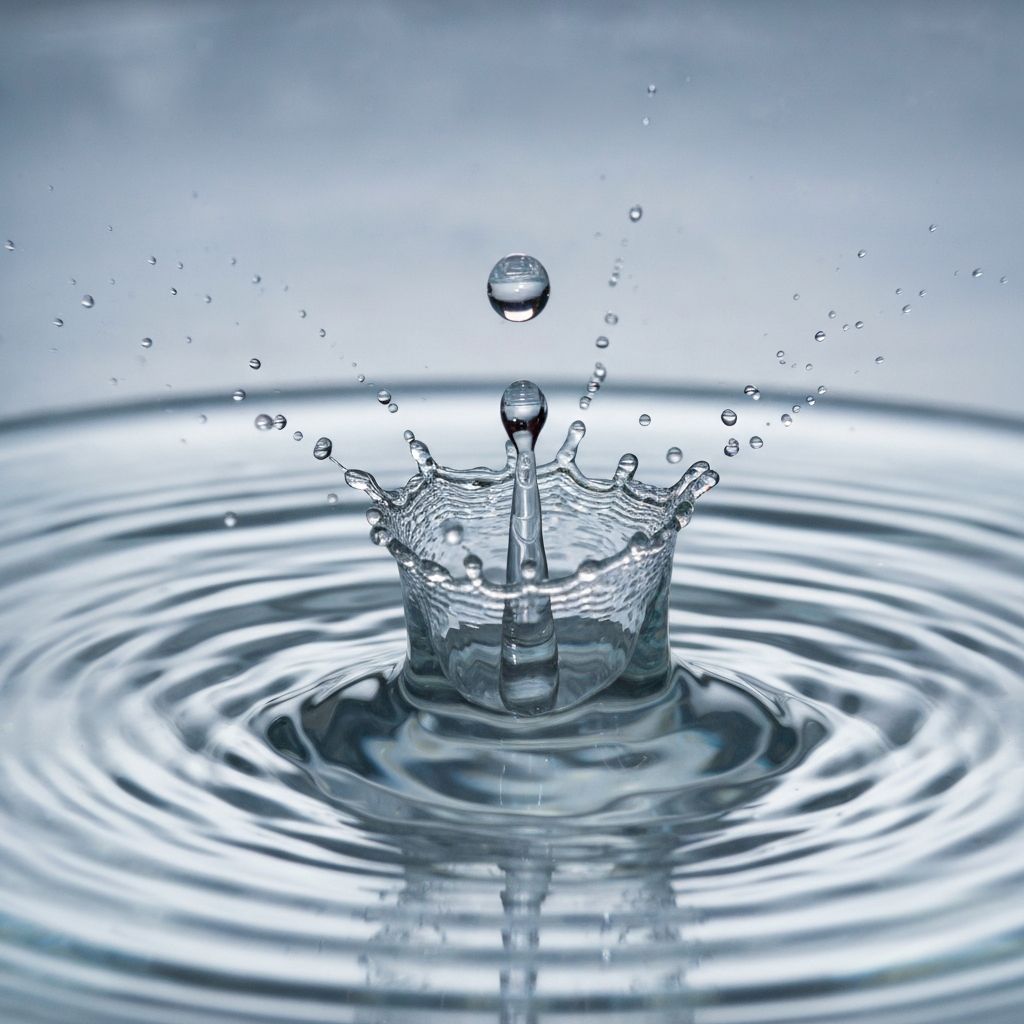
Water: The Fundamental Solvent
Water comprises approximately 60% of adult body weight and serves as the universal solvent for biochemical processes. Its unique physical and chemical properties—including high specific heat capacity, polarity, and hydrogen bonding—make it irreplaceable in maintaining physiological homeostasis.
Composition Distribution
- Intracellular fluid: ~67% of total body water
- Extracellular fluid: ~33% of total body water
- Plasma: ~25% of extracellular fluid
- Interstitial fluid: ~75% of extracellular fluid
Compartmentalization
Body water exists in distinct compartments, with careful regulation of fluid movement between intracellular and extracellular spaces. Osmotic gradients, maintained by ion distributions and plasma proteins, govern this distribution.
Critical Functions of Water
Nutrient Transport
Water dissolves and transports water-soluble nutrients, hormones, and gases throughout the bloodstream and interstitial spaces, enabling cellular nutrient uptake.
Thermoregulation
Water's high specific heat capacity allows effective heat absorption and dissipation, preventing rapid temperature fluctuations through perspiration and metabolic cooling.
Enzymatic Activity
Aqueous environments are essential for enzyme function, substrate binding, and catalysis of metabolic reactions. Enzyme kinetics depends critically on cellular hydration state.
Waste Elimination
Water dissolves metabolic waste products, facilitating their transport to elimination organs and excretion through urine, perspiration, and respiration.
Structural Support
Water provides cellular turgidity and maintains tissue shape. Dehydration causes cellular shrinkage and compromised organ function.
Lubricant Function
Water-based fluids lubricate joints, protect organs, and maintain mucosal integrity in the respiratory and digestive systems.

Hydration Status and Cognitive Function
The brain is composed of approximately 73% water, making it particularly sensitive to hydration status. Even mild dehydration—often imperceptible subjectively—can impair cognitive performance, mood, and concentration.
Dehydration Effects
- Reduced attention and focus
- Impaired working memory
- Slower processing speed
- Increased fatigue perception
- Mood disturbances
Factors Influencing Hydration Needs
Water requirements vary among individuals and depend on numerous physiological, behavioral, and environmental factors:
Physical Activity
Exercise increases sweat production and metabolic water loss. Athletes and active individuals require elevated fluid intake relative to sedentary populations.
Climate Conditions
Heat and humidity increase perspiration rates and evaporative water loss. Cold and dry environments also increase water loss through respiration.
Physiological State
Age, pregnancy, lactation, illness, and metabolic conditions all influence water balance and requirements.
Context & Limitations
This article explores scientific principles governing hydration and water's physiological roles. Individual fluid needs vary based on activity level, climate, health status, and metabolism. Optimal hydration approaches should be personalized in consultation with healthcare professionals. This information is educational and not intended as medical guidance.